3 Tips for Photographing Landscapes with a Prime Lens
Zoom with your feet
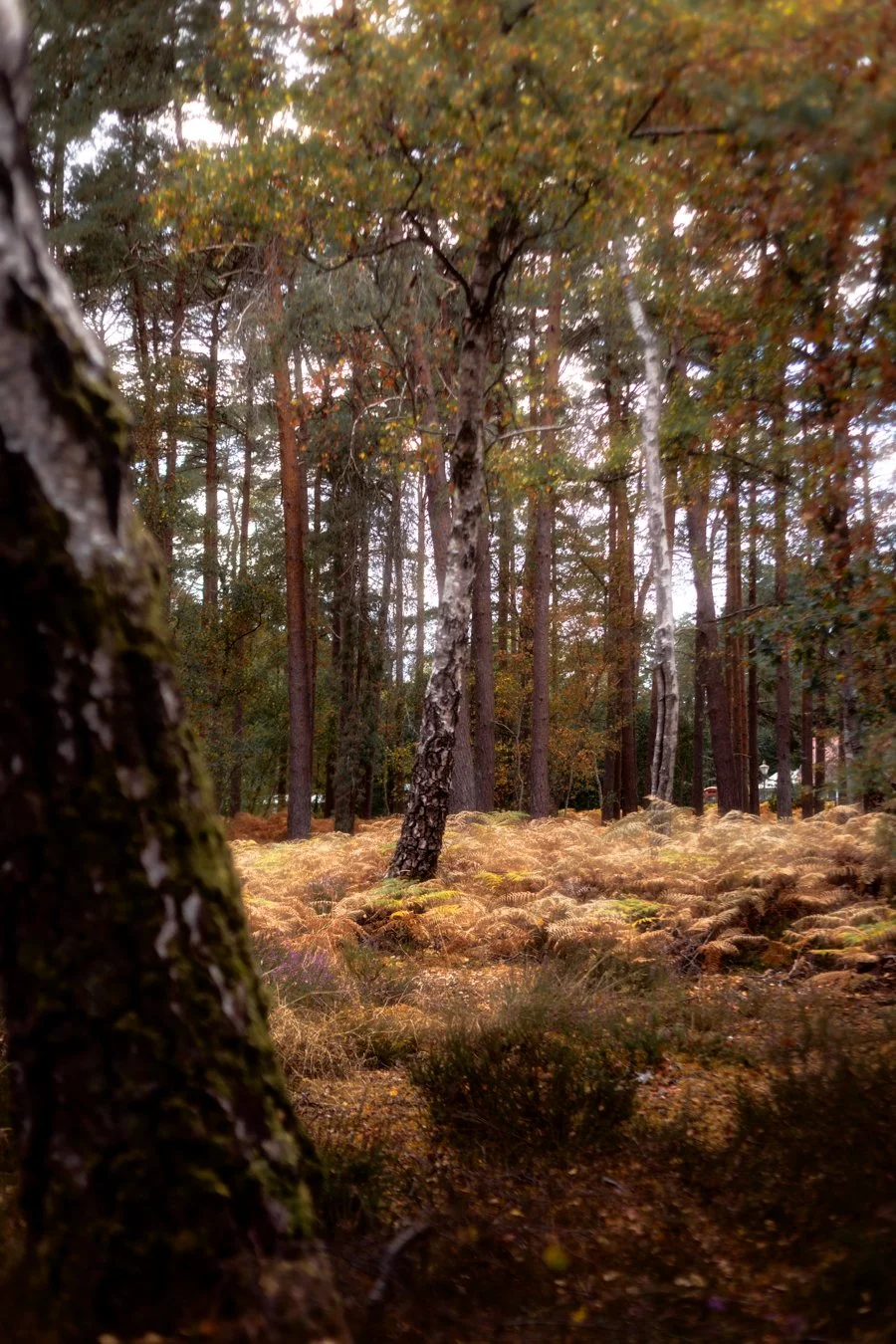
Because a prime lens has a fixed focal length, changing your composition means changing your physical location. Move closer or step back to adjust framing, but also experiment with high and low angles. Walking around a subject forces you to pay closer attention to perspective, foreground relationships, and background elements than simply twisting a zoom ring.
Natural framing
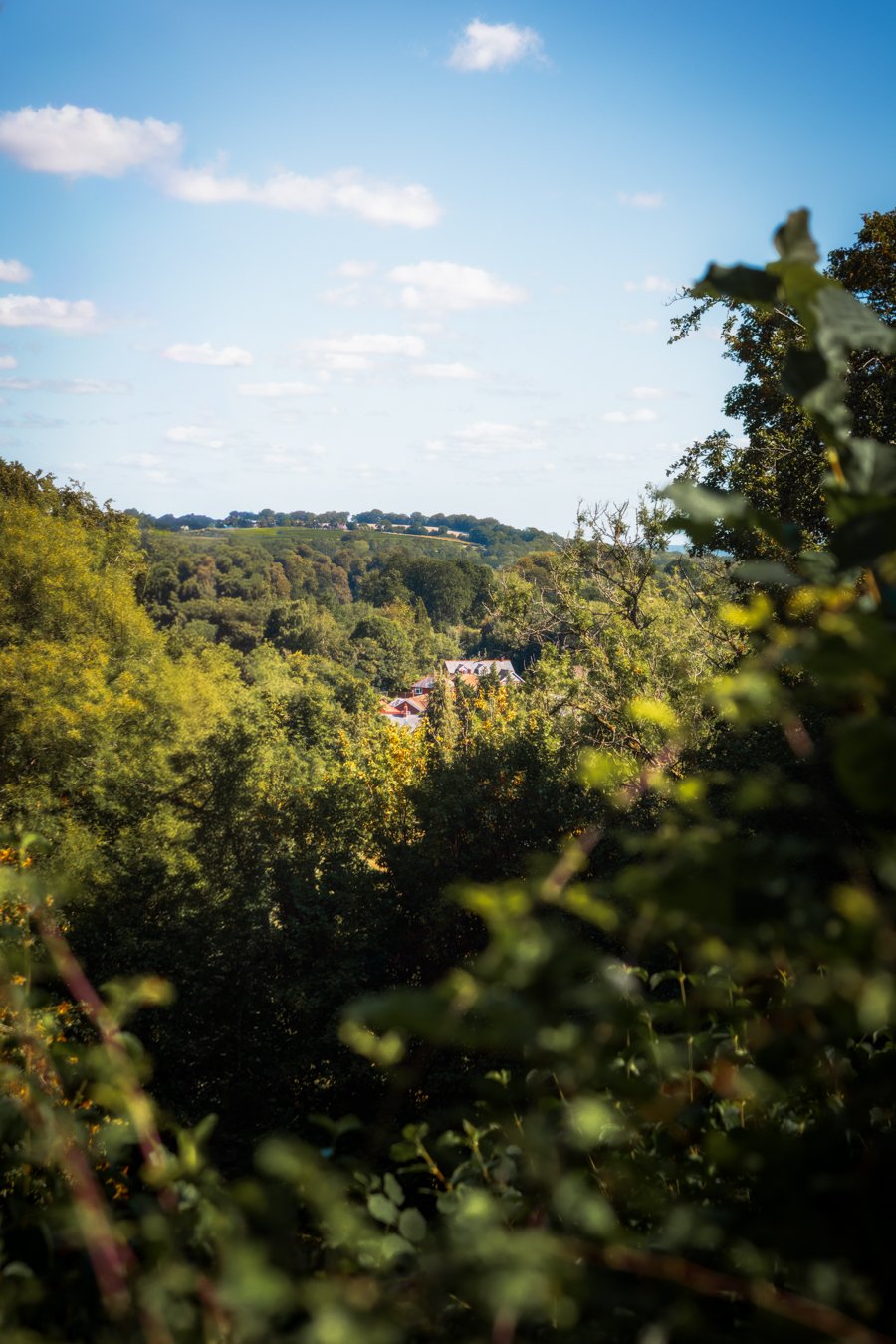
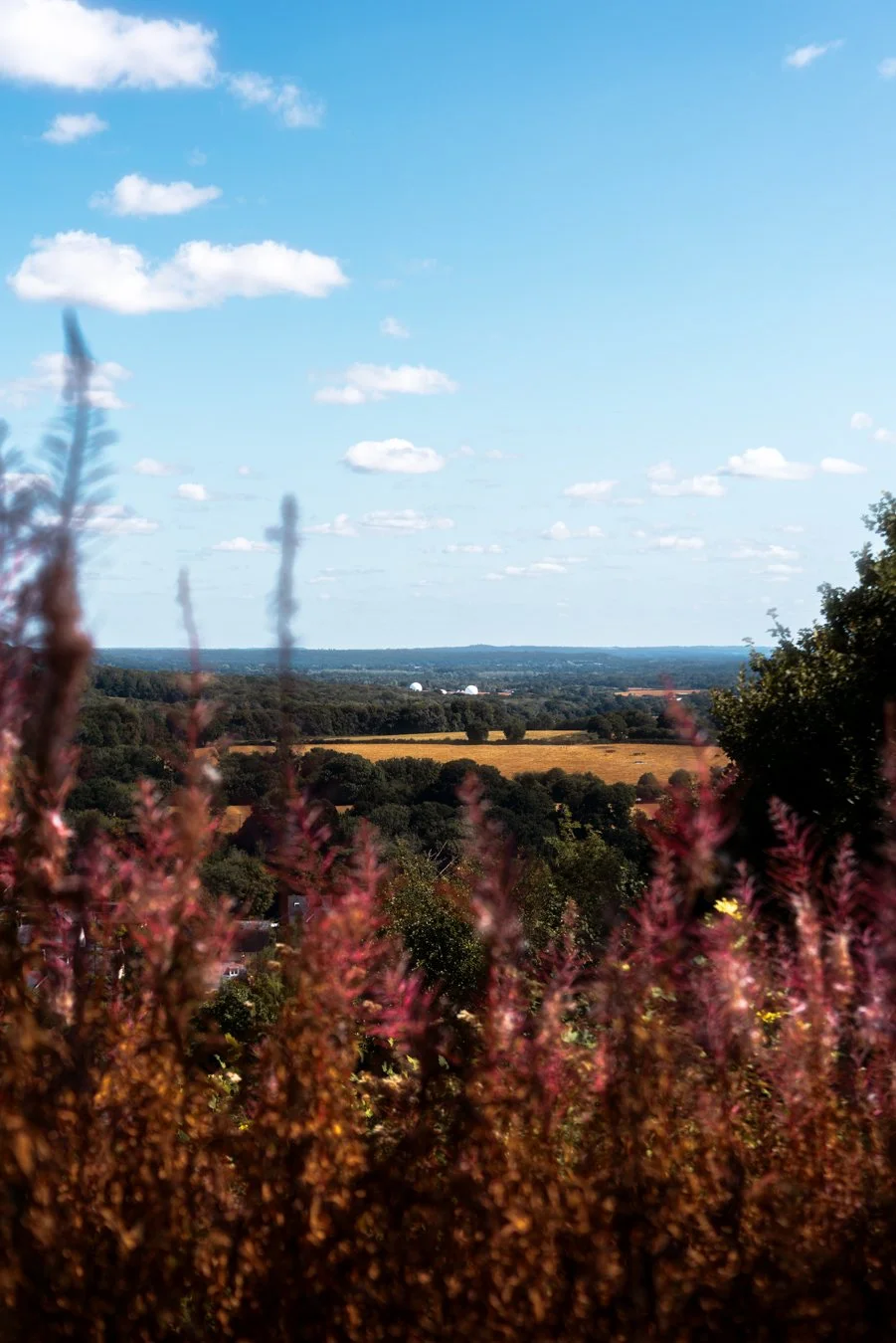
Fixed focal lengths excel at isolating subjects, but you can build depth by shooting through foreground elements. Look for environmental boundaries—like overhanging branches, doorways, or architectural arches—to frame your subject. Passing light through these structural elements gives your image a distinct sense of scale and spatial context.
Play with the position of the sun
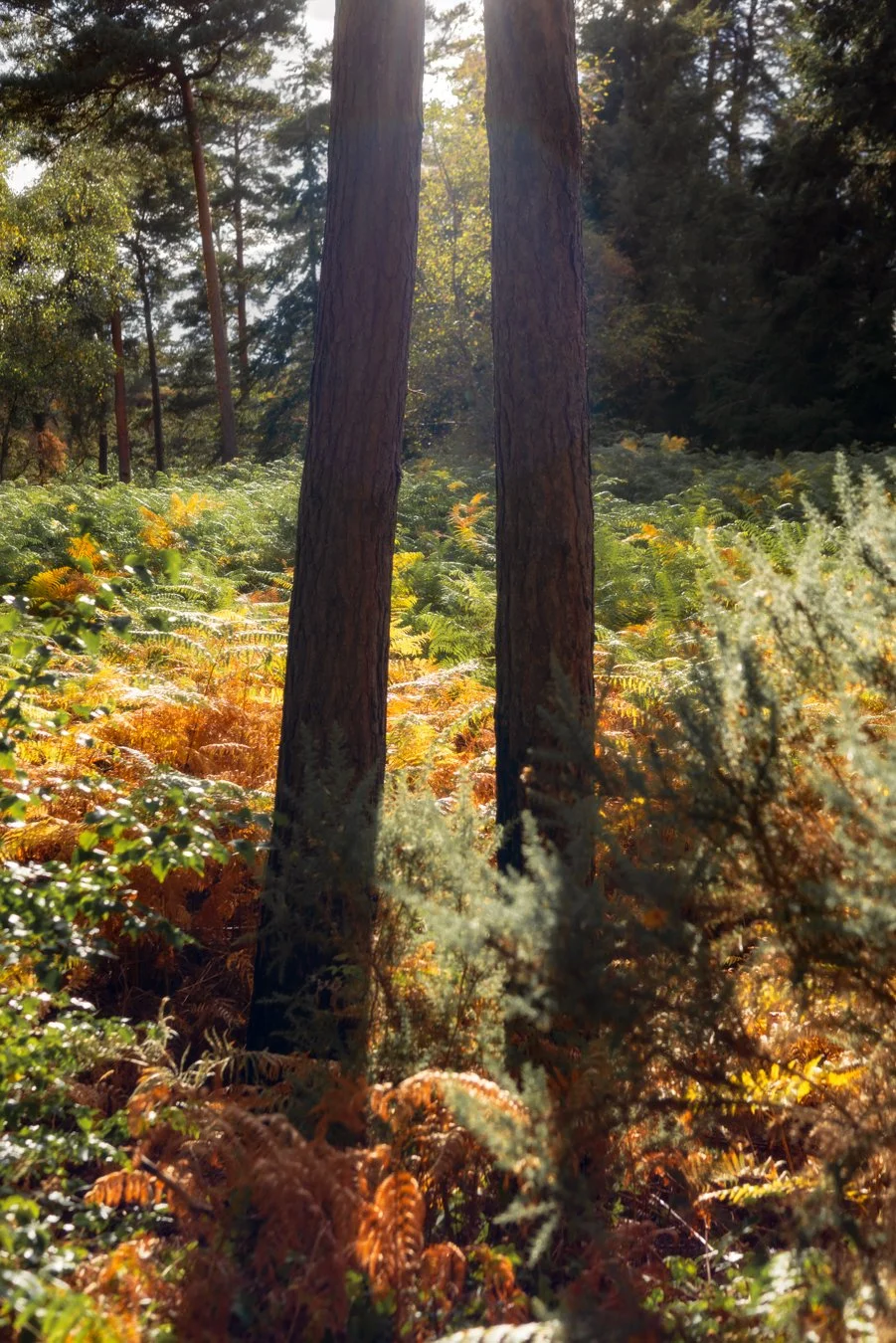
Prime lenses often feature wide maximum apertures (such as f/1.4 or f/1.8), making them ideal for manipulating natural light. Position the sun directly behind your subject to create striking rim lighting or soft lens flare, or shoot with the sun at a 90-degree angle to accentuate surface textures and shadows. Widening your aperture while angling toward direct light can yield dramatic optical characteristics unique to prime glass.